

Quick answer
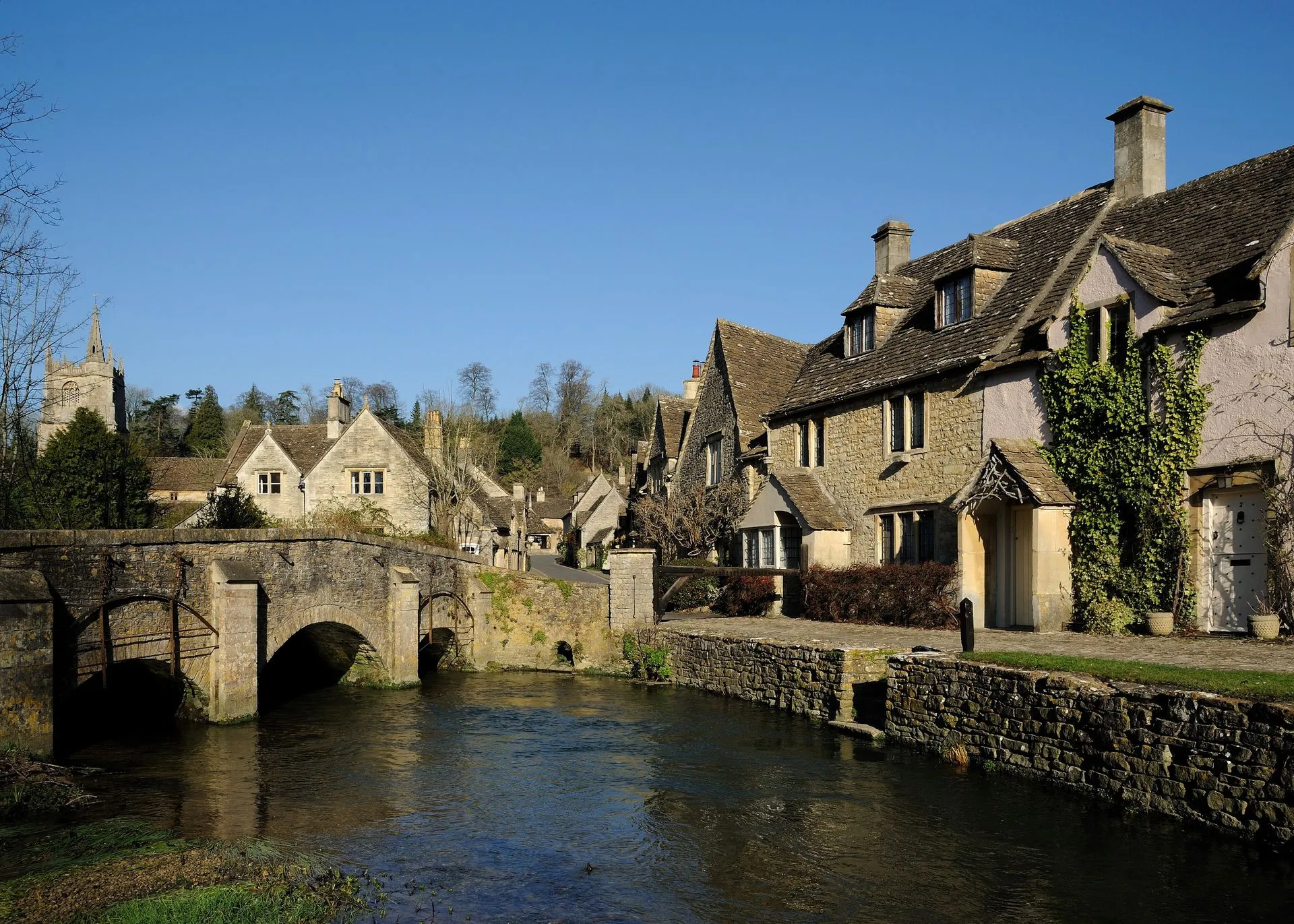
The Cotswolds is worth visiting if you value rural English landscapes, honey-colored stone architecture, and slower-paced village exploration over urban attractions. The region offers no major monuments or world-famous museums—its appeal lies in gentle rolling hills, historic market towns like Chipping Campden and Burford, independent shops, traditional pubs, and walking trails. Most visitors spend one to three days here, often combining it with London or Bath. The experience rewards those seeking countryside scenery and traditional village life rather than concentrated sightseeing.
More than 300 settlements dot the Cotswolds, yet only a dozen see concentrated tourist traffic. This distribution shapes the visitor experience: popular villages like Bourton-on-the-Water and Bibury can feel crowded on summer weekends, while lesser-known hamlets like Snowshill or Guiting Power remain quiet even in peak season. The region's character stems from Jurassic limestone quarried locally for centuries, creating the distinctive honey-colored buildings that define Cotswold architecture. This consistency gives the area visual coherence—you'll recognize a Cotswold village immediately—but also means scenic variety comes from landscape rather than built environment. The terrain consists of gentle wolds (open uplands), river valleys, and beech woodlands rather than dramatic peaks or coastal drama. Walkers find more than 3,000 miles of public footpaths, including the 102-mile Cotswolds Way national trail. Whether the Cotswolds merits a place on your England itinerary depends on what you prioritize. Visitors seeking concentrated cultural attractions, vibrant nightlife, or diverse dining scenes will find the region limited—most villages have one or two pubs, a tearoom, and perhaps a small museum. Those drawn to pastoral landscapes, traditional English village life, and outdoor activities find the area delivers exactly what it promises. The region works best as a contrast to urban stays in London, Oxford, or Bath rather than as a standalone destination. Practical considerations matter. The Cotswolds lacks a central hub—it's a collection of villages across six counties. Public transport exists but remains infrequent outside main routes, making car rental the most efficient option for multi-village exploration. Day trips from London require three to four hours of total travel time, limiting what you can see. Overnight stays in market towns like Stow-on-the-Wold or Moreton-in-Marsh provide better access and let you experience villages in early morning or evening when tour groups have departed. Entry to the region itself is free, though individual manor houses, gardens, and attractions charge admission.
“The Cotswolds delivers exactly what it promises: pastoral landscapes and traditional village life, not concentrated cultural attractions.”
Is the Cotswolds Worth Visiting During Peak or Off-Peak Times?
The Cotswolds remains accessible year-round, though your experience varies significantly by season and time of day. To experience the region with fewer crowds, the best arrival window is 08:00–10:00.
Weekday mornings
Minimal—
Arrive between 08:00–10:00 to navigate popular villages before tour groups and day visitors congregate.
Spring (April–May)
ModerateMild with highs of 12°C–17°C
Gardens begin to bloom and hedgerows turn green. This period offers a balance of manageable visitor numbers and pleasant walking weather.
Summer (June–August)
HighWarm with highs of 20°C–25°C
Vibrant landscapes and long daylight hours characterize this season, though village centers experience significant congestion.
Autumn (September–October)
ModerateCool with highs of 13°C–18°C
The changing foliage provides a distinct visual shift. Visitor numbers decline compared to summer, allowing for more space in smaller hamlets.
Winter (November–February)
LowCold with highs of 5°C–8°C
Many outdoor attractions are quieter. While some days are damp, this season offers tranquility and access to indoor fires in local establishments.
Verdict: For the quietest experience, visit on a weekday morning between 08:00–10:00 during the shoulder months of April or October.
Key Destinations That Make the Cotswolds Worth Visiting
The Cotswolds region is defined by its preserved honey-colored limestone architecture and rolling pastoral landscapes. These specific locations represent the characteristic features that draw visitors to the area.
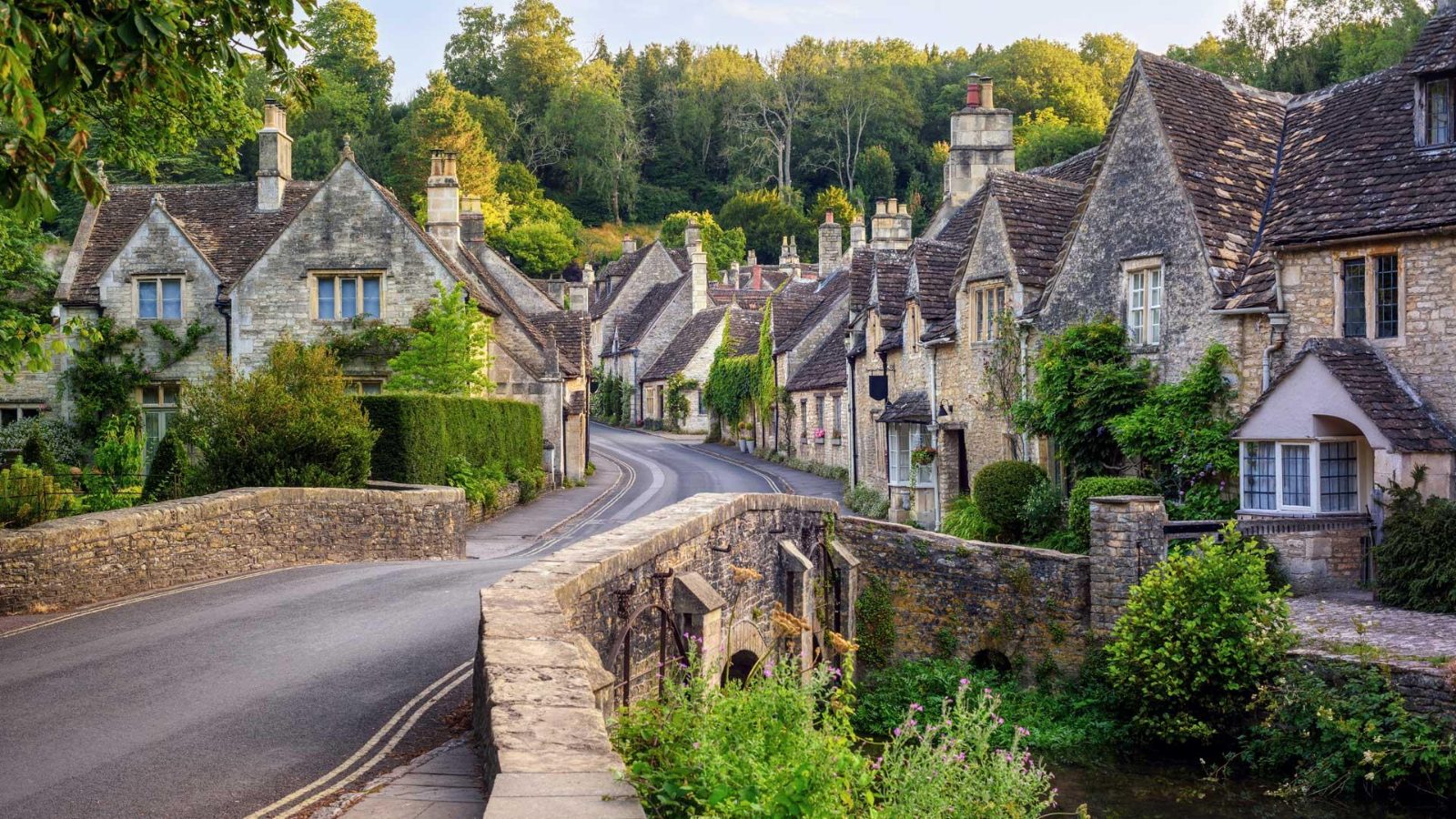
Castle Combe
Often cited as one of the prettiest villages in England, this location features a stream flowing through the center of historic stone cottages.
Walk to the bridge at the edge for the best view.
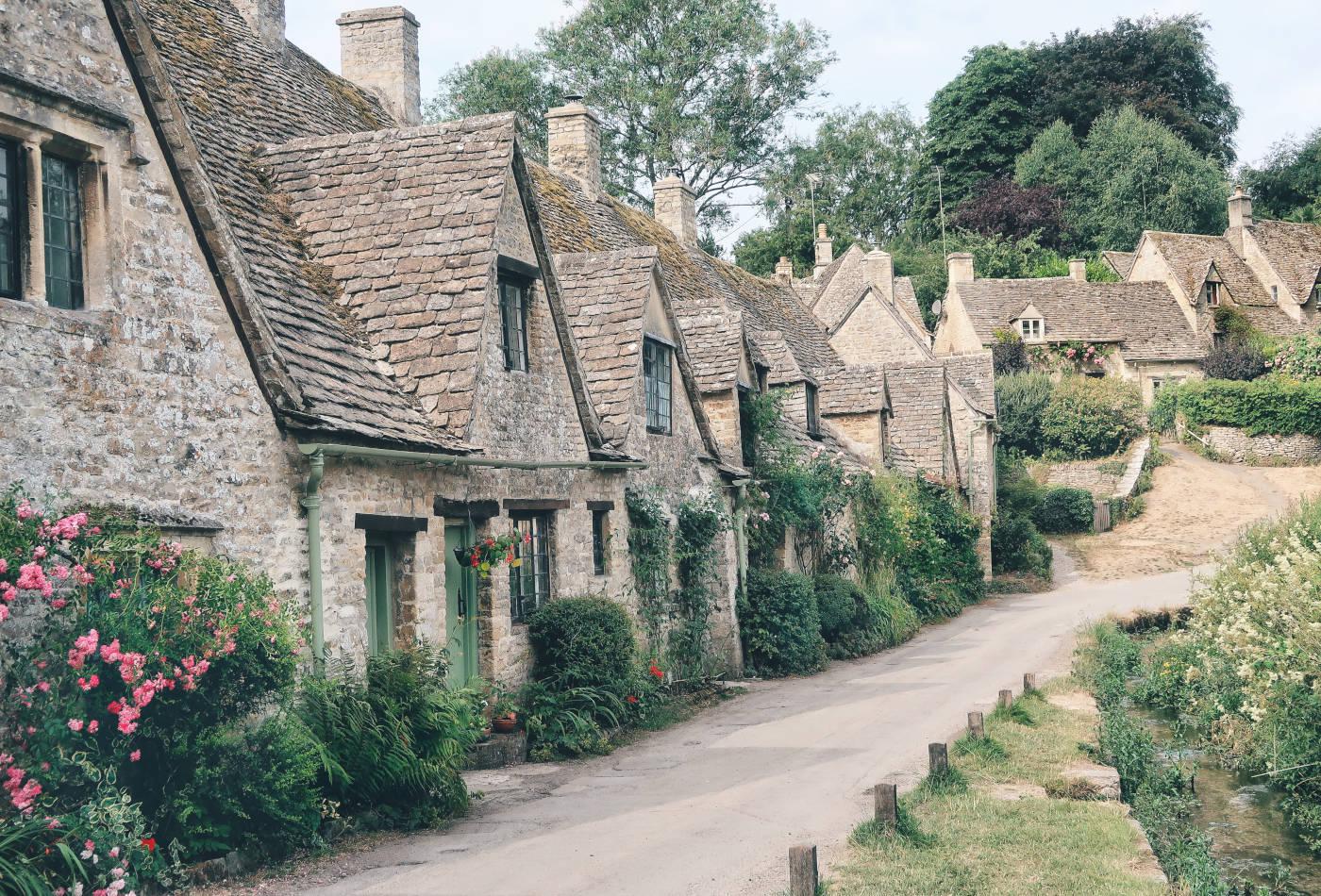
Bibury
This village is home to Arlington Row, a series of 17th-century weavers' cottages that stand as an example of vernacular architecture.
Follow the path along the River Coln for wider perspective.
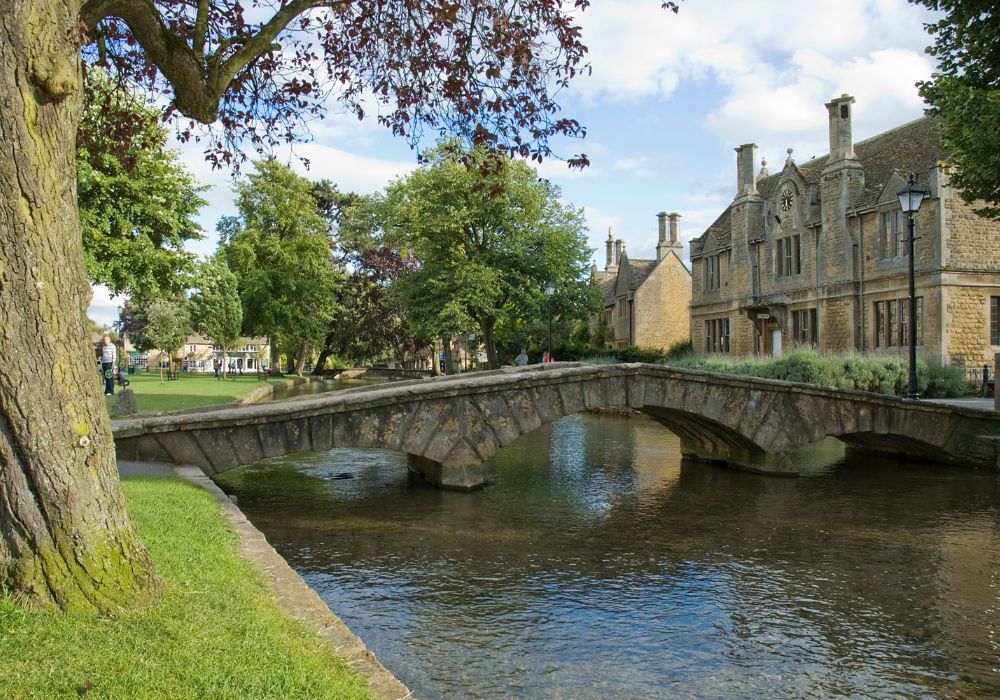
Bourton-on-the-Water
Known for the shallow River Windrush that runs through the village center, spanned by several low stone bridges.
Walk the riverbanks early to observe the village character.

Stow-on-the-Wold
A market town positioned at the intersection of several historic routes, featuring a large market square and antique shops.
Explore the narrow alleyways leading off from the central square.
Is the Cotswolds Worth Visiting: Logistics and Arrival
The Cotswolds is located across several counties in south-central England, with the most direct access provided by train from London Paddington or via the M40 and A40 motorways. Visitors often utilize a combination of rail travel to hubs like Moreton-in-Marsh or Kemble, followed by local bus services or car rentals to reach specific villages.
GWR service from London Paddington to Moreton-in-Marsh
Pulhams Coaches services from Cheltenham or Moreton-in-Marsh
M40 motorway to A40 (Oxford) or M4 to A419 (Cirencester)
Is the Cotswolds Worth Visiting on a Budget?
Exploring the Cotswolds region itself requires no admission fee. Costs only apply when choosing to enter specific private attractions, gardens, or historic houses within the villages.
A visitor pays 0 GBP to access the region, with total costs depending solely on which individual attractions they choose to enter.
Is the Cotswolds Worth Visiting: Daily Availability
The Cotswolds region is publicly accessible daily, allowing for exploration at any time. Please note that these hours refer to the region itself, as specific attractions and businesses operate on their own independent schedules.
| Monday | 00:00–23:59 | Public access |
|---|---|---|
| Tuesday | 00:00–23:59 | Public access |
| Wednesday | 00:00–23:59 | Public access |
| Thursday | 00:00–23:59 | Public access |
| Friday | 00:00–23:59 | Public access |
| Saturday | 00:00–23:59 | Public access |
| Sunday | 00:00–23:59 | Public access |
Check availability
Frequently asked questions: Is Cotswolds worth visiting?
Everything you need to know about is cotswolds worth visiting