

Quick answer
Most visitors find that three to four days strikes the right balance for exploring the Cotswolds without rushing. A weekend gives you time for a handful of iconic villages like Bourton-on-the-Water and Stow-on-the-Wold, while four days allows you to venture into quieter corners, visit a stately home or two, and walk sections of the Cotswold Way. Single-day trips work if you're based nearby and targeting one village cluster, but the region's appeal lies in its slower pace and the space between destinations.
The Cotswolds lacks a single entrance gate or central hub, which makes planning how many days do you need in the Cotswolds less about ticking off attractions and more about choosing your rhythm. The region's 150-plus villages share a common architectural thread—limestone walls in shades of gold and amber—but each has its own character. Chipping Campden draws walkers to the northern trailhead of the Cotswold Way. Bibury's Arlington Row appears on every postcard. Castle Combe sits in a valley so picturesque it has doubled for film sets. Two days works as a concentrated introduction. You can cover the southern cluster—Bourton-on-the-Water, the Slaughters, Stow-on-the-Wold—on day one, then shift north to Broadway and Chipping Campden on day two. This pace leaves little room for detours or extended walks, but it captures the visual essence. Add a third day and you gain flexibility: a morning at Blenheim Palace, an afternoon in Cirencester's Roman museum, or a drive through the Windrush Valley's lesser-known hamlets. Four days lets you slow down entirely. You can walk a seven-mile stretch of the Cotswold Way, linger over lunch in a market square, visit Hidcote Manor Garden without watching the clock, or explore the wool-trade history in Northleach. The calculation shifts with your base. Staying in one village and making day loops requires less packing and repacking, but limits your range unless you're comfortable with an hour's drive each way. Hopping between two or three bases—Chipping Campden in the north, Stow in the center, Cirencester in the south—expands your reach and cuts transit time, though it adds logistical steps. Public transport exists but runs infrequently outside peak season, so most multi-day Cotswolds itineraries assume access to a car. Weather and season also matter. Summer crowds concentrate in the most photographed villages, turning a quick stop into a parking challenge. Spring and autumn offer clearer roads and better light for photography, but some country houses close mid-week. Winter strips the landscape to its structural bones—bare trees, empty paths, smoke curling from cottage chimneys—and requires only two days to see the highlights before the short daylight runs out.
“The region's appeal lies in its slower pace and the space between destinations.”
How Many Days Do You Need in the Cotswolds: Recommended Itineraries
The Cotswolds rewards flexible planning: a single day captures the iconic villages, three days allow for market towns and walking trails, and five days let you explore the full breadth of stone hamlets, Roman sites, and countryside at a gentle pace.
Explore Bibury and Bourton-on-the-Water
Start with Arlington Row's weavers' cottages in Bibury, then drive twenty minutes to Bourton-on-the-Water for the river bridges and model village. Allow two hours across both stops.
Stroll through Stow-on-Market-Square
Walk the antique shops and cafés around the market square, then visit St Edward's Church. The compact town center takes an hour on foot.
Visit Chipping Campden's High Street
Walk the length of the honey-stone high street, stopping at the Market Hall and St James' Church. Budget ninety minutes including a rest stop.
Stop at Broadway Tower
Climb the folly for views across thirteen counties, then walk the surrounding country park. The tower and grounds take an hour.
Add the Slaughters and Cirencester
Lower and Upper Slaughter offer riverside walks and mill ponds; Cirencester brings a Roman amphitheater and the Corinium Museum. Each location needs ninety minutes.
Walk the Cotswold Way section
Tackle a segment between Broadway and Chipping Campden or around Painswick Beacon. Most walkers cover five to eight miles in three hours.
Cover Tetbury, Winchcombe, and hidden valleys
Winchcombe's Saxon abbey and Sudeley Castle fill a morning; Tetbury's Royal Warrant shops and Westonbirt Arboretum add another full day. This slower rhythm suits photographers and walkers.
Logistics for How Many Days Do You Need in the Cotswolds
The Cotswolds are located in Gloucestershire, United Kingdom, and are most accessible via a combination of rail and road. While a car provides the most flexibility for reaching remote villages, regional transit connects several major hubs.
GWR service from London Paddington to Moreton-in-Marsh
Pulhams Coaches services connecting local villages
M4 or M40 motorways toward Gloucestershire
Expanding Your Stay: Nearby Locations to Add to How Many Days Do You Need in the Cotswolds
Extending your visit beyond the Cotswolds allows for a deeper exploration of historical sites and cities that complement the rural character of the region. These locations are accessible within a short journey, making them practical additions for travelers with extra time.

Oxford
Known for its historic university architecture, this city provides a scholarly contrast to the pastoral villages of the Cotswolds.
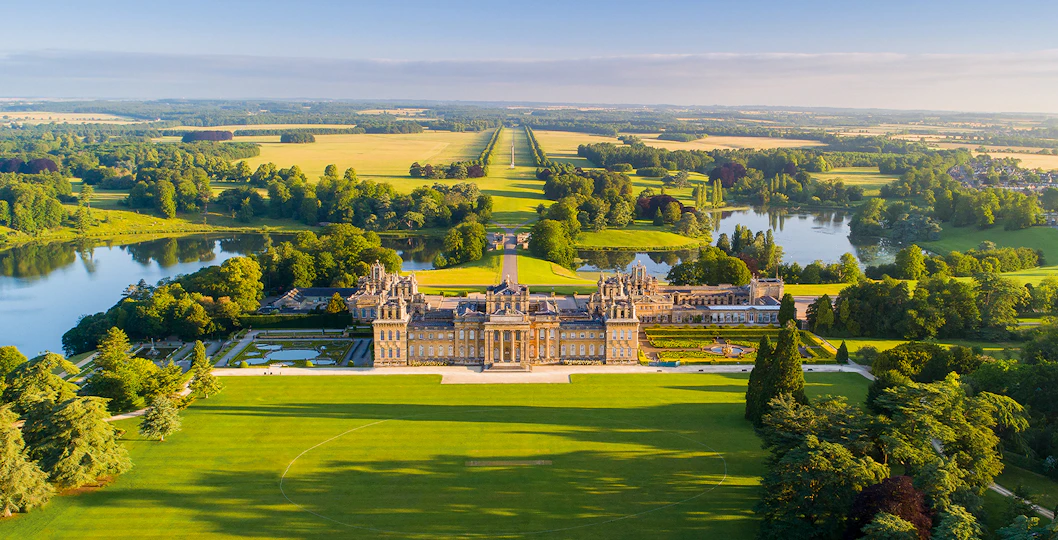
Blenheim Palace
This substantial country house near Woodstock offers extensive parkland and ornate state rooms that pair well with village exploration.
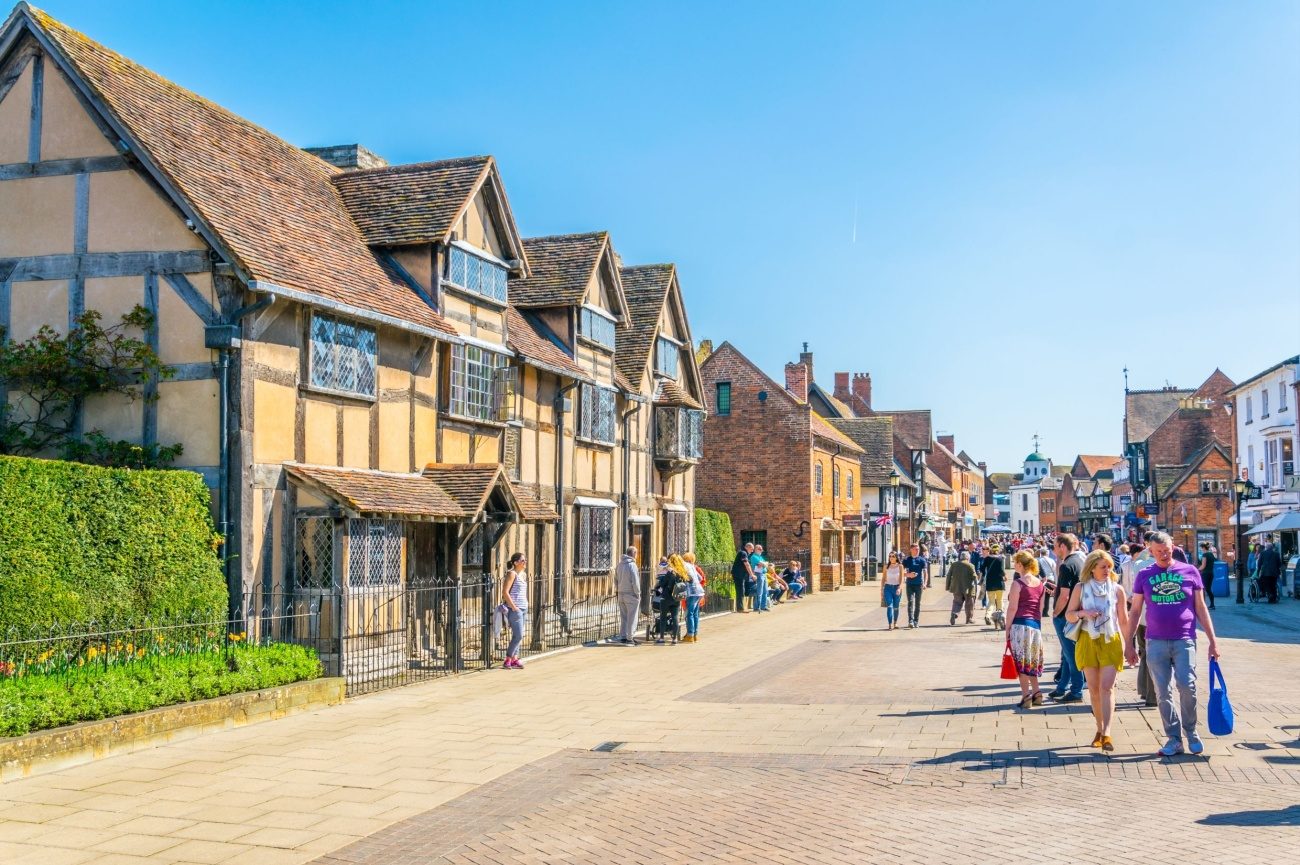
Stratford-upon-Avon
Located on the edge of the region, this town offers insight into Tudor history and the life of William Shakespeare.
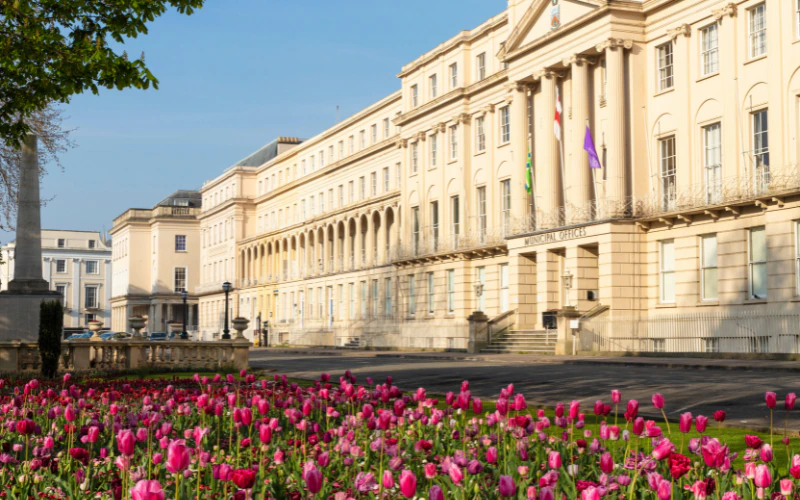
Cheltenham
This Regency spa town serves as a functional gateway to the Cotswolds with distinct urban amenities and garden spaces.
Check availability
Frequently asked questions about visiting the Cotswolds
Everything you need to know about how many days do you need in the cotswolds